Overall I thought the Helvetica movie was pretty interesting. I never knew what really went into fonts and honestly thought that computer programmers made them. It was good to see the behind the scenes look at how fonts are actually created. I never thought that so much work goes into a font and all the aspects a font has.
Now I often catch myself analyzing fonts and trying to figure out whether or not its Helvetica or not. Over spring beak I noticed many signs for stores that were all in Helvetica. I agree that Helvetica tries to come off as the “laid back” font that the people in the movie describe it as, direct and plain.
Tuesday, March 24, 2009

Wednesday, March 4, 2009
Chapter 7
Sorry this is a day late..I was having trouble posting this from campus computers...
As a marketing major this chapter really interested me. I have taken many
courses in advertising, marketing research, and consumer behavior etc.
This chapter was very on point with some of the things I learned in those
classes.
        The ‘consumer societies’ section did a great job of explaining pretty
much how a society demands certain tangible goods and how we the
consumers have many choices of what we want. The “Diet soda ad” was a
good visual, showing four different flavors of soda and that the consumer
is the boss and has the option of picking what they want. “In a consumer
society, there is a constant demand for new products. Old products are
sold with a new look, added features, a new design, or simply new slogans
and ad campaigns.” With new products comes new ways to
advertise/market/visually communicate these products to the consumer.
        ‘Envy, desire, and belonging’ section really hit the ‘nail on the head’
with what some advertisers/marketers try to do with their products.
Everyone has seen commercials or billboards of ‘top tier’ products like
BMW, MB, Polo, Tommy Hilfiger, etc. that almost makes you feel inferior.
For me, I’ll admit when I think of BMW or MB I think of successful. For
some weird reason ‘success’ is what comes to mind. I don’t know if it’s
because of their unbelievable marketing schemes or because most of the
people I know that drive those cars are, that’s just what happens to me.
The book uses the ‘Grey Goose La Poire’ ad to show how it targets, fine
art, French culture and people who drink vodka. The thing about this
advertisement is that clearly its target market is upscale, “successful”,
“prestigious”, people. You won’t see a Grey Goose advertisement with 21
year old college kid drinking it at a party. The most incredible part of
this kind of marketing is that it gets people who aren’t in their key
demographic to buy their products (if they can afford them) so they feel
‘top tier.’ These brands visually communicate (in most cases) status to
the consumers.
        Belonging is often seen today in advertisement with Chevrolet. Belonging
in advertisement means “attaching concepts of the nation, community, and
democracy to products.”I personally think everyone on their marketing
team should be fired but some people (maybe because of today’s economy),
getting sucked into their campaign. Everyone has seen the Chevy
commercial with country music playing in the background with American
flags blowing in the wind, etc. It is targeting the hard working American
middle to lower class. They want them to buy American for their country.
They are not only trying to ultimately sell them a automobile but sell
them the idea that they are helping our county buy not buying foreign
made cars. Maybe Chevy can blame their marketing/advertising team for the
huge lay-offs they just had to go through with.
Tuesday, February 24, 2009
Chapter 6: Media in Everyday Life
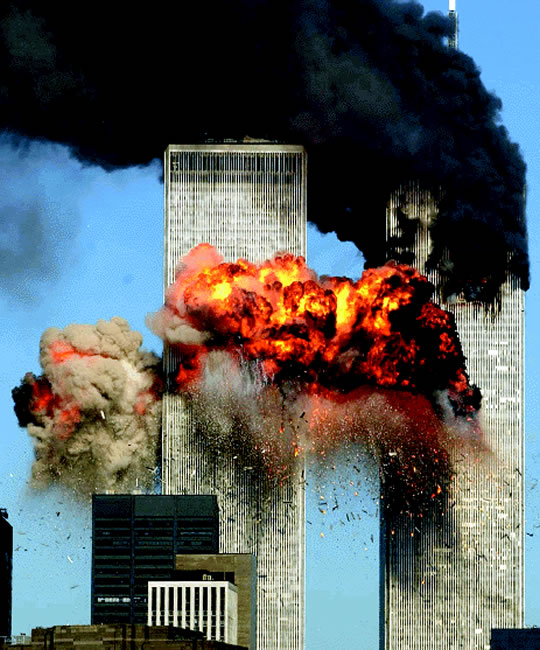
This was by far the most interesting chapter of the book thus far. Mass media and broadcasting is ever-present in the world we live in today and I feel many media forms have indeed shaped the way we interpret information.
The beginning of the chapter talks about technologies that have become so prevalent in our everyday lives that if they disappeared people wouldn’t know what to do. For example, the internet has become so widely used and accepted (for most people) that it would be hard to imagine life without it. When I wake up one of the first things I do is check my Blackberry to see what emails I have and maybe look at some news websites. When the internet in my apartment goes down, my roommates and I feel disconnected and uninformed because the web has become our number one source of information. The past 3 summers I’ve gone to music festivals my friends and family will say “how long will you be off the grid for” because when I’m there I turn my Blackberry off and have no internet connection which is a great vacation from the world for those few days.
Mass Media describes forms of media designed to reach large audiences perceived to have shared interests. Mass media to me is T.V. stations like CNN, FOX, MSNBC, etc. These stations give media coverage to “the masses” and inform them with what is going on in the world. Other forms of mass media are newspapers, radio stations, internet, etc. All of these media types get across the same information but in different ways. For example, I rather watch MSNBC or more “left winged” media than Fox News. There has been much controversy that Fox News “spins” certain events that happen in the favor of what political party/person they agree with. Bill O'Reilly comes to mind when thinking of media shows that “spin” news in the favor of their political parties. He clearly is conservative and conservatives usually watch his show. I am pretty liberal so I like watching shows like The Colbert Report because as the book says those shows “are adept at making fun of the conventions of television news in order to show how the news media spin stories and miss stories.”
http://www.youtube.com/watch?v=HIVnwYGU9Qo
http://www.nocaptionneeded.com/wp-content/uploads/2007/09/wtc-9-11.jpg
The National and Global Media Events section in this chapter was pretty interesting as well. The chapter talked about the 9/11 attacks and how millions of viewers could watch it live from a safe distance and looked at it more of a movie than of actual news. I remember the exact time and place I heard about the twin towers getting hit and where I was when I saw them crumble to the ground. The quote in the chapter by Slavoj ZiZek was pretty moving to me “we can perceive the collapse of the WTC towers as the climatic conclusion of twentieth-century art’s ‘passion for the Real’- the ‘terrorists’ themselves did not do it primarily to provoke real material damage but for the spectacular effect of it.” I always thought that the twin towers blowing up visually communicated many things like defeat, and sent a message that the U.S. isn’t untouchable but ZiZek’s quote really depicts what the terrorists really wanted to do. If you think about it that attack was pretty genius, obviously every form of media would cover what happened and in the end, as the book states, “…but that spectacle is understood to have the potential to generate vast, global shock waves of violence that go beyond the actual destruction of life and property in the single event. These shock waves include invasions, sanctions, ethnic and religious conflict, and wars fanned by media spin.”
Overall, I feel people need to be picky about what “media” they choose to watch and believe. Media networks today are masters at spinning topics and issues to subliminally get a viewer to think a certain way and it’s a sad thing when people who are unaware of these tactics get tricked into maybe believing the wrong thing.
http://www.pbs.org/wgbh/pages/frontline/video/flv/generic.html?s=frol02p74&continuous=1
Tuesday, February 17, 2009
Chapter 5: Visual Technologies, Image Reproduction, and the Copy
In this chapter a variety of ideas were addressed. The reproduction of images through technological change and how image reproduction effects society’s value of an image stood out to me most.
The beginning of the chapter talks a lot about the actual technology or invention of the photographic camera and the role it played in society. “…It can be argued that technologies have some agency- that is, they have more important and influential effects on society but they are also themselves the product of their particular societies and times and the ideologies that exist within them and within which they are used.” The book says the photographic camera was “invented” simultaneously by several people working in different countries in the late 1830s. It was used mostly for medical, legal and scientific uses and those uses influenced the ways photographic technologies were developed. Eventually societies saw that the photographic camera could be a technology not just scientist or doctors could use. “In other words, photography emerged as a popular medium not simply because it was invented, but because it fulfilled particular social demands of the early nineteenth century.”
 Stemming off the technology of the photographic camera came sequential photography, motion picture film, projectors etc. All three of those technologies, more so the motion picture film and projector, enabled “projection that was large enough for an assembled group of people to watch the same film at the same time and in the same place…” That is a huge step from a little camera that can just take a few still photographs that then take hours to develop. Because of the “progress” in the photographic camera technology, mass entertainment/knowledge became present in societies.

Later in the chapter “authenticity” is talked about and I found that pretty interesting. The past two summers I worked in a print screening shop where digital imaging/graphic designing was a huge part of what we did. In our “shop” we had a studio setup for models to model our clothing etc. Digital imaging, in my opinion, really takes away the authenticity of a photo because of all the things you can do to render them. Almost every picture of every model that wore our jeans was directly sent to our graphic designers to “touch the pictures up”. If a girls butt was too big, they’d make it smaller, if her legs were too fat, they’d make them skinnier, etc.
 Reproducibility with Che Guevara was greatly talked about. The book showed the reproduction of the photograph of Che in many different forms. Eventually explaining how the reproductions of the photograph lead to mass appreciation of what he did and stood for. “Throughout the world, the Che image has circulated not only as an icon of both revolutionary politics and leftist uprisings but also as an icon of the charisma of revolutionary heroes.”


 Trey Anastasio is the lead singer/guitarist for the band Phish. Whether it be from mass amounts of people claiming he is the one of the most influential guitar players ever to live or because of striking resemblance to Che, there is a "Tre" shirt. Trey, like Che, "is a icon of the charisma of revolutionary heroes."
The court case of Rogers vs. Koons and its involvement with copyright laws was also pretty interesting. I thought Rogers would have won the court case because Cons basically just stole his copyrighted photo and sent it to an Italian studio to make postcards and other things with it. Can someone explain how Rogers lost that case?
The last thing that struck me in the chapter was the image from the 2004 Bush campaign “Whatever It Takes.” I think even though we are in a day and age were we need to be suspicious of whatever digital photo we see, a presidential candidate wouldn’t alter something like that to trick the audience (the American people).
The beginning of the chapter talks a lot about the actual technology or invention of the photographic camera and the role it played in society. “…It can be argued that technologies have some agency- that is, they have more important and influential effects on society but they are also themselves the product of their particular societies and times and the ideologies that exist within them and within which they are used.” The book says the photographic camera was “invented” simultaneously by several people working in different countries in the late 1830s. It was used mostly for medical, legal and scientific uses and those uses influenced the ways photographic technologies were developed. Eventually societies saw that the photographic camera could be a technology not just scientist or doctors could use. “In other words, photography emerged as a popular medium not simply because it was invented, but because it fulfilled particular social demands of the early nineteenth century.”
Stemming off the technology of the photographic camera came sequential photography, motion picture film, projectors etc. All three of those technologies, more so the motion picture film and projector, enabled “projection that was large enough for an assembled group of people to watch the same film at the same time and in the same place…” That is a huge step from a little camera that can just take a few still photographs that then take hours to develop. Because of the “progress” in the photographic camera technology, mass entertainment/knowledge became present in societies.Later in the chapter “authenticity” is talked about and I found that pretty interesting. The past two summers I worked in a print screening shop where digital imaging/graphic designing was a huge part of what we did. In our “shop” we had a studio setup for models to model our clothing etc. Digital imaging, in my opinion, really takes away the authenticity of a photo because of all the things you can do to render them. Almost every picture of every model that wore our jeans was directly sent to our graphic designers to “touch the pictures up”. If a girls butt was too big, they’d make it smaller, if her legs were too fat, they’d make them skinnier, etc.
Reproducibility with Che Guevara was greatly talked about. The book showed the reproduction of the photograph of Che in many different forms. Eventually explaining how the reproductions of the photograph lead to mass appreciation of what he did and stood for. “Throughout the world, the Che image has circulated not only as an icon of both revolutionary politics and leftist uprisings but also as an icon of the charisma of revolutionary heroes.”Trey Anastasio is the lead singer/guitarist for the band Phish. Whether it be from mass amounts of people claiming he is the one of the most influential guitar players ever to live or because of striking resemblance to Che, there is a "Tre" shirt. Trey, like Che, "is a icon of the charisma of revolutionary heroes."The court case of Rogers vs. Koons and its involvement with copyright laws was also pretty interesting. I thought Rogers would have won the court case because Cons basically just stole his copyrighted photo and sent it to an Italian studio to make postcards and other things with it. Can someone explain how Rogers lost that case?
The last thing that struck me in the chapter was the image from the 2004 Bush campaign “Whatever It Takes.” I think even though we are in a day and age were we need to be suspicious of whatever digital photo we see, a presidential candidate wouldn’t alter something like that to trick the audience (the American people).
Thursday, February 12, 2009
Chapter 2: Viewers Make Meanings


Basically what this chapter is trying to get across is that images, no matter what kind they are, create meanings. “Meanings are produced though the complex negotiations that make up the social process and practices though which we produce and interpret images.” I believe the “we” in the past sentence refers to the viewer and how they take in and relate themselves to the image, advertisement, painting, etc.
The book says, “The production of meaning involves at least three elements besides the image itself and its producer: (1) the codes and conventions that structure the image and that cannot be separated from the content of the image; (2) the viewers and how they interpret or experience the image; and (3) the contexts in which an image is exhibited and viewed.” What I get out of that is that no matter how hard the painter, producer or photographer tries to convey an image it is ultimately up to the viewer to decide what/how it means to them.
Later on in the chapter Aesthetics and Taste gets talked about. In a place like the United States that is extremely diverse and relatively “open minded” taste differs from one viewer to another. “Taste is informed by experiences relating to one’s class, cultural background, education, and other aspects of identity.” I don’t know if it is “snobby” to say but I feel people who went to college have a much different “taste” or view on things than someone who didn’t. Social class is another barrier that separates viewers. For example lower income people may never pay attention to BMW commercials whereas people who can afford those types of high-end cars do watch them.
A cultural aspect on this subject may be how African Americans see the United States government. Some Africans may not like seeing campaign ads for white politicians because of what happened to their ancestors during slavery, relating white powerful men back to slave owners. Things can be said now for white people seeing an African leading the free world. Pictures of Barrack Obama may make some African viewers feel empowered while making white views feel helpless.
Proposal
3 page proposal:
Page 1: Overview of topic
Page 2: How it relates to visual communication
Page 3: Project Plan/Examples
Page 1: Overview of topic
Page 2: How it relates to visual communication
Page 3: Project Plan/Examples
Chapter 3: Modernity, Spectatorship, Power and Knowledge

The development of the photograph and how it lead to surveillance we have today was something this chapter I specifically was interested in. The book talks about the Panopitcon Penitentiary and basically how the prisoners “self regulated” themselves because they didn’t know when they were being watched so they were always on their best behavior. Today we all kind of live in a Panopitcon Penitentiary by the surveillance that is brought upon us today. From security cameras in convenient stores, cameras at stop lights to even the fairly new Patriot Act it is all a type of surveillance on society. What this does to society is almost force people to behave “properly” at all times and constantly wonder if you are actually being watched.
I recently saw a T.V. called Hard Time that goes around to America’s most “notorious” prisons that interviews guards, wardens and even prisoners on how they act/like the prison life there. I forget where this prison is located but they went to it and the photo the above is a picture of the inside. They claim the most brutal of their inmates go there. The guards claim that the prison can hold up to 800 inmates and they only need about 9 guards to control them all because of the prisons setup. As you can see, the guard tower has huge flood lights that shine 360 degrees so the inmates don’t know whether they are being watched or not. The guards that were interviewed seemed very happy with how the prison set up worked and claimed their job is easier/safer because of the Panopitcon structure.
Another point I found interesting was Modernity because it is something I’m pretty familiar with from my Science and Technology in Society class. The class, along with this chapter talks about how the Industrial Revolution (in particular) dehumanized the people who worked in the factories and who lived in the urban setting. The picture of Charlie Chaplin in his movie Modern Times on page 100 is a pretty powerful picture about the Industrial Revolution era. It pretty much illustrates how people are actually controlled by machines (the factories) rather than the workers controlling them. It goes further than the workers just being controlled in the factories but even when they were out of the factory. For example, families where getting smaller (compared to suburban/rural families) due to the fact that children weren’t needed to help labor like they did in farming families. Also, the factories took away all “specialization” which left the workers feeling unsatisfied in their work by doing the same thing over and over again for hours on end (assembly lines, etc.) The machines "eating" Charlie Chaplin is visually communicating the oppression the Industrial Revolutionary era had on the working class.
Those were the two main things that caught my eye in this chapter. The fact that surveillance is what it is today can only make me wonder how it will be in 10 years. Will we have to get our finger print scanned to get on airplanes? Our retina scanned through our macbook's camera to buy things online using a credit card? When will the time come when not just movie star's mansions have video cameras around them, but normal middle class homes have their own surveillance systems?
Wednesday, January 28, 2009
My Avatar

To be honest this was the first Avatar I've ever made so I wanted to be a little ridiculous with mine. I started off by trying to make it look like a lacrosse instructor I had at a lacrosse camp with a few extra pounds.
I don't really match my clothing well in real life so as you can see i had a hard time doing it in Second Life. The white fur coat caught my eye the second i saw it in the jacket options so i just went with it. I don't really know what the black leather pieces coming out from under it are doing but i couldn't figure out how to change that so I just left it.
The only real thing that relates to me is the tie dye pants. I don't personally have any tie dye pants but i have a good amount of tie dye shirts from phish, wsp, moe., p groove and other 'jam band' concerts/festivals.
More than likely I'll be changing my avatar to look more like me because I feel like this one might be a little too flashy for Second Life.

Monday, January 12, 2009
Discussion: Chapter 1
Warning: I've never blogged before so bare with me.
The first thing that really shocked me in this chapter was the photo of Emmett Till’s body after being murdered because he apparently “whistled” at a white woman.
The next thing that came to mind were the pictures and videos I’ve seen of the famous Rodney King beating. Even though Rodney King didn’t die and is ironically on a reality T.V. show now, there still was a connection for me. Did anyone else connect the Till picture to anything that has happened in the last 20 something years?
Digital Imaging and how it has “eroded the public’s trust in the camera image as evidence” immediately made me think of Facebook.com. My roommates and I all have seen “hot” girls on Facebook and then have ran into then in real life and have been quite disappointed. I’m pretty confident this has all happened at least a few times to everyone in this class, and if it hasn’t I’m sure it will sooner or later.
For all the veteran bloggers out there, is this somewhat decent?
thanks for the read,
Joey C
The first thing that really shocked me in this chapter was the photo of Emmett Till’s body after being murdered because he apparently “whistled” at a white woman.
The next thing that came to mind were the pictures and videos I’ve seen of the famous Rodney King beating. Even though Rodney King didn’t die and is ironically on a reality T.V. show now, there still was a connection for me. Did anyone else connect the Till picture to anything that has happened in the last 20 something years?
Digital Imaging and how it has “eroded the public’s trust in the camera image as evidence” immediately made me think of Facebook.com. My roommates and I all have seen “hot” girls on Facebook and then have ran into then in real life and have been quite disappointed. I’m pretty confident this has all happened at least a few times to everyone in this class, and if it hasn’t I’m sure it will sooner or later.
For all the veteran bloggers out there, is this somewhat decent?
thanks for the read,
Joey C
Subscribe to:
Comments (Atom)